When NOT to Buy a House in Ontario (2026 Guide): Why Renting Might Be the Smarter Move
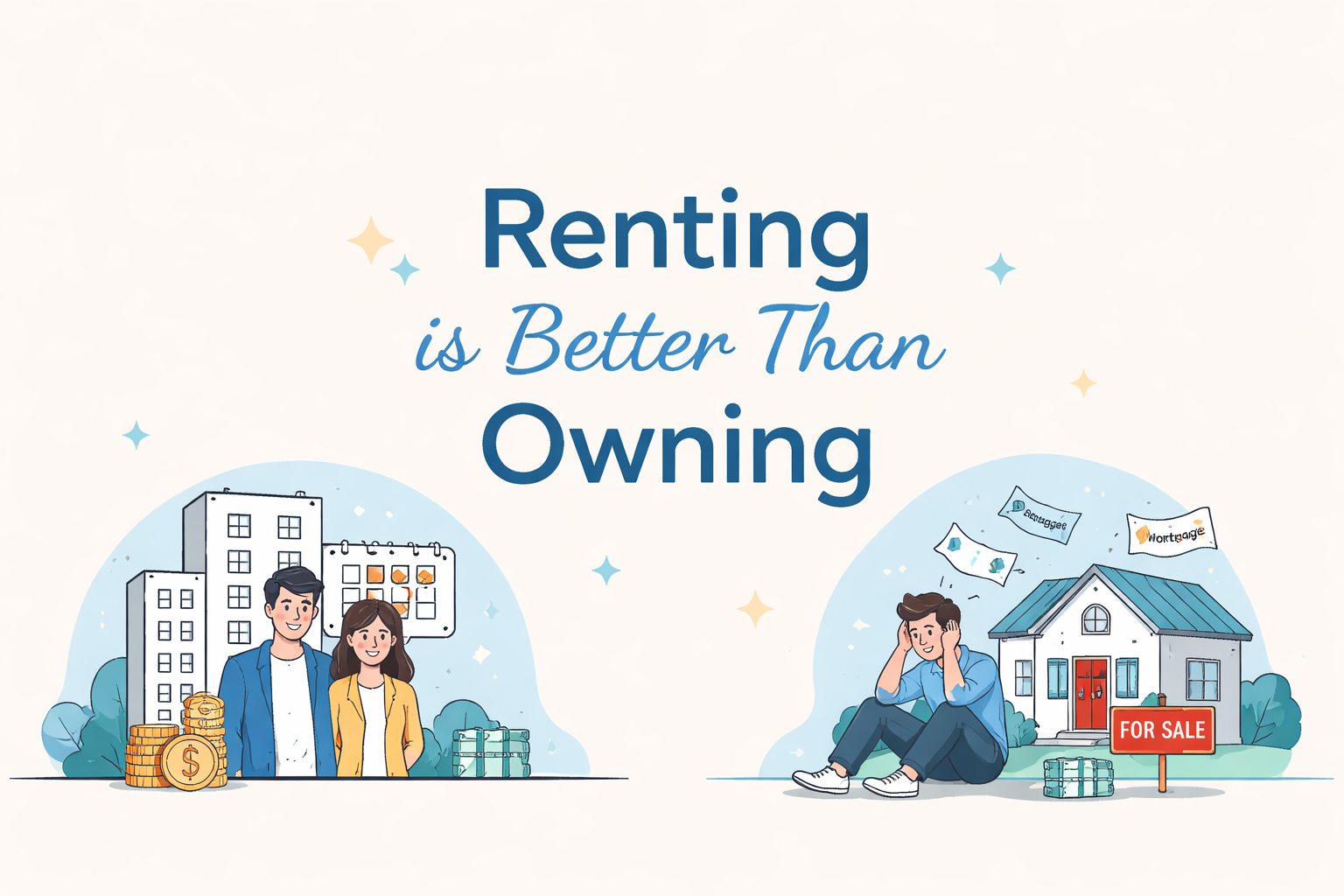
When NOT to Buy a House in Ontario (2026 Guide): Why Renting Might Be the Smarter Move
Buying a home is often seen as the ultimate financial goal. But here’s the truth most people don’t talk about:
Sometimes, buying a house is actually a bad financial decision.
In today’s high-interest, high-price environment across Ontario — from Bradford and Barrie to Vaughan, Pickering, and Oshawa — not everyone is in the right position to buy.
In this guide, we’ll break down exactly when NOT to buy a house, and why renting might actually be the smarter move for your financial future.
🔥 Featured Snippet Answer (Quick Answer)
You should not buy a house if your financial situation is unstable, your debt is high, your credit score is low, or you cannot comfortably afford mortgage payments. In many cases, renting makes more sense because it provides flexibility, lower upfront costs, and less financial risk while you improve your mortgage approval profile.
🧠 What Does “Not Ready to Buy a House” Really Mean?
Not being ready doesn’t mean you’ll never buy.
It simply means:
- Your mortgage approval may not be strong enough
- Your home affordability is stretched
- Your financial foundation needs improvement
Buying too early can lead to:
- Financial stress
- High-interest mortgage rates
- Rejection during mortgage approval
- Poor long-term wealth building
🚫 7 Signs You Should NOT Buy a House in Ontario
1. Your Financial Situation Is Tight
H3: You’re Living Paycheque to Paycheque
If you’re struggling to save money monthly, buying a home will only increase pressure.
Example:
- Monthly income: $6,000
- Expenses: $5,500
- Leftover: $500
A mortgage could easily push you into negative cash flow.
👉 Reality: Homeownership comes with hidden costs:
- Property tax
- Maintenance
- Insurance
- Utilities
2. Your Credit Score Is Too Low
Your credit score directly impacts:
- Mortgage approval
- Mortgage rates
- Loan terms
In Canada:
- 680+ = strong approval
- 600–680 = limited options
- Below 600 = high-risk lenders only
👉 Lower credit = higher interest = more money lost
3. You Don’t Have Enough Down Payment
Minimum down payment in Canada:
- 5% for homes under $500K
- 10% for $500K–$1.5M
- 20% for $1.5M+
But here’s the catch:
- Less than 20% = mortgage insurance
- Higher monthly payments
- Less flexibility
If your down payment wipes out your savings, you’re not ready.
4. You Have High Debt (TDS/GDS Issues)
Lenders look at:
- GDS (Gross Debt Service Ratio)
- TDS (Total Debt Service Ratio)
If you have:
- Car loans
- Credit card debt
- Lines of credit
…it reduces your mortgage affordability.
👉 Example:
- Income: $8,000/month
- Debt payments: $2,500
This could disqualify you or reduce your buying power significantly.
5. You’re Not Planning to Stay Long-Term
Buying only makes sense if you stay at least 3–5 years.
Why?
- Closing costs
- Land transfer tax
- Realtor fees
If you move early, you could lose money.
👉 Renting gives flexibility — especially in fast-moving cities like Vaughan, Pickering, and Oshawa.
6. The Numbers Don’t Make Sense (Renting Is Cheaper)
In many Ontario markets today:
- Rent: $2,500/month
- Mortgage + costs: $3,800/month
That’s a $1,300 difference monthly.
If you invest that difference instead, you could build serious wealth.
👉 Renting is NOT always “throwing money away.”
7. You Haven’t Passed the Mortgage Stress Test Comfortably
The mortgage stress test requires you to qualify at a higher rate than your actual mortgage.
If you barely qualify:
- You’re at risk if rates increase
- You’ll feel financial pressure monthly
🏠 Renting vs Buying in Ontario (Real Comparison)
H3: Example Scenario — Barrie, Ontario
Buying:
- Purchase price: $700,000
- Down payment: $50,000
- Mortgage: ~$3,500/month
- Other costs: $500–$800
Total: ~$4,000/month
Renting:
- Rent: $2,600/month
👉 Difference: $1,400/month
If you invest $1,400/month at 6% return:
- After 5 years = ~$97,000+
That’s real money.
📊 Pros and Cons — Renting vs Buying
✅ Renting Pros
- Lower upfront cost
- Flexibility
- No maintenance responsibility
- Easier to relocate
❌ Renting Cons
- No equity building
- Rent increases
- Less control
✅ Buying Pros
- Builds equity
- Long-term stability
- Property appreciation
- Leverage wealth
❌ Buying Cons
- High upfront costs
- Maintenance
- Less flexibility
- Risk if finances are tight
📍 Who SHOULD Wait Before Buying?
You should wait if you are:
- A first-time home buyer with unstable income
- Carrying high-interest debt
- Working on improving your credit score
- Unsure about your long-term location
- Living in high-cost areas like the GTA, Newmarket, or Aurora
💡 Smart Strategy Instead of Buying Right Now
H3: Build a “Buy-Ready” Plan
Instead of rushing:
- Improve your credit score
- Pay down debt
- Save a stronger down payment
- Track your mortgage affordability
- Get pre-qualified with a mortgage broker
🧮 Real Mortgage Scenario (Ontario Buyer)
Let’s say:
- Income: $120,000/year
- Debt: $800/month
- Credit score: 650
👉 Likely outcome:
- Limited lenders
- Higher mortgage rates
- Lower approval amount
Now improve:
- Credit score → 720
- Debt → $200/month
👉 New outcome:
- Better mortgage approval
- Lower rates
- Higher buying power
🏆 When DOES Buying Make Sense?
You’re ready when:
- You have stable income
- Strong credit score (680+)
- Low debt
- Emergency savings
- Comfortable monthly cash flow
📌 Tips to Improve Mortgage Approval
- Pay off credit cards
- Keep utilization below 30%
- Avoid new loans before applying
- Increase income (side hustle, bonuses)
- Work with a mortgage broker
❓ Frequently Asked Questions
1. Is it better to rent or buy in Ontario in 2026?
It depends on your financial situation. With high home prices and interest rates, renting may be smarter if your affordability is stretched.
2. What credit score do I need to buy a house in Canada?
Typically 680+ for strong mortgage approval, but options exist for lower scores with higher rates.
3. Is renting a waste of money?
No. Renting can be a strategic financial decision, especially if it allows you to save and invest.
4. How do I know if I can afford a home?
You should be able to comfortably handle mortgage payments, pass the stress test, and still save money monthly.
5. Should first-time home buyers wait in Ontario?
If finances aren’t strong, waiting and preparing can lead to better long-term outcomes.
🚀 Final Thoughts: Don’t Rush the Biggest Financial Decision
Buying a home is powerful — but timing matters.
In markets like Bradford, Barrie, Vaughan, Pickering, and Oshawa, rushing into a purchase without proper financial readiness can cost you thousands.
👉 Sometimes the smartest move is not buying yet.
📞 Ready to Know If YOU Should Buy?
Let’s build your personalized strategy.
Whether you’re thinking about buying now or preparing for the future, I’ll help you:
- Understand your mortgage approval
- Improve your credit score
- Maximize your affordability
- Create a smart buying plan
Garry Sidhu
Mortgage Broker
🌐 www.garrysidhu.ca
📞 437-961-0004
👉 Reach out today for a free consultation — no pressure, just clarity.